
Who is this for?
New commercial or industrial buildings — warehouses, factories, data centres, logistics facilities
Businesses expanding and needing more capacity
Developers planning multi-tenancy commercial or residential projects
Sites adding significant new load — large solar arrays, battery storage, EV charging depots
Any business facing a capital contribution they haven't independently verified
New Connections and Energisation
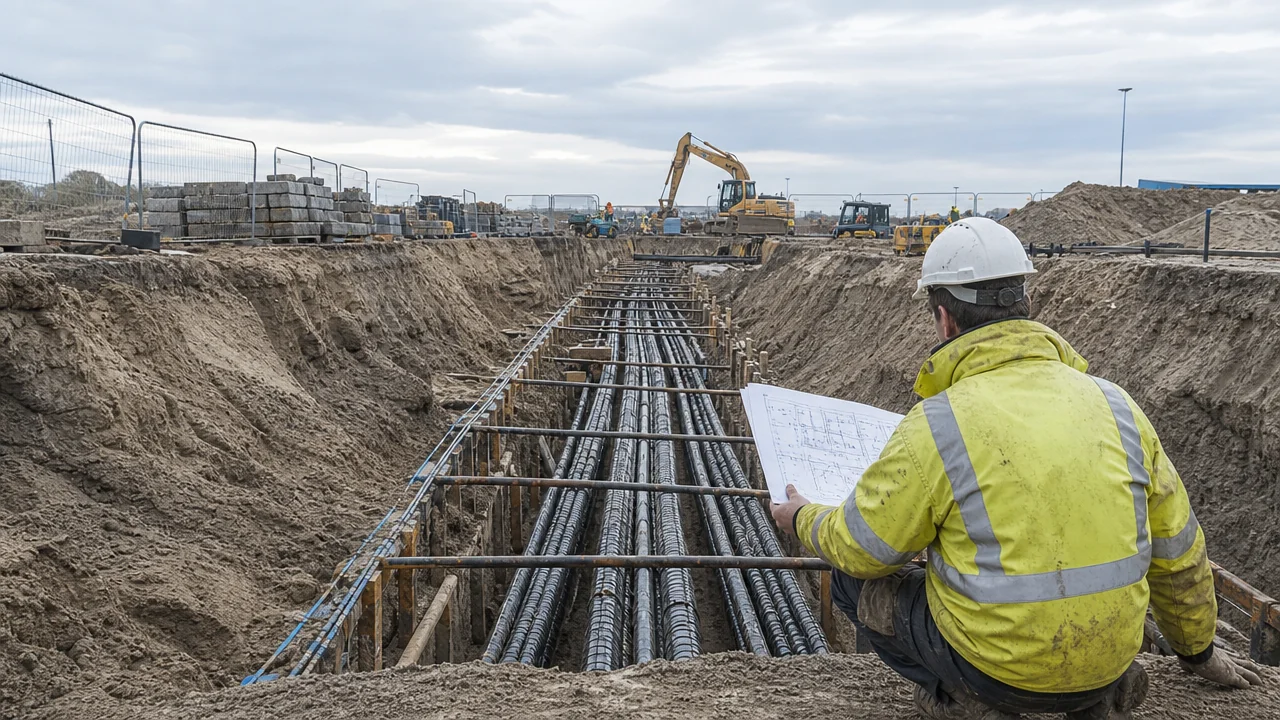
When your site needs more than a standard connection, the network charges you a capital contribution. We review the offer before you sign. We know how the contribution is calculated because we spent fifteen years building those models inside the networks.
- Is the scope the minimum the network can require?
- Was the revenue offset applied correctly?
- Should you own the substation instead of paying LV tariffs for twenty years?
- Is the demand forecast right or perhaps too high or too low?

Risk assessment
- The wrong LV-vs-HV decision can cost $20k–$50k every year for twenty years.
- An independent review costs a fraction of what it saves.
Should you own your substation?
Some businesses pay LV network tariffs for twenty years when they'd be better off owning a substation and taking HV supply. The upfront cost is higher, but the tariff savings can be substantial and they compound. Over the life of the site, the difference can be several hundred thousand dollars.
Whether it makes sense depends on your load, your location, and what the network charges in your area. Some parts of the grid have capacity constraints that make a private substation not just cheaper but faster to energise.
We model both options on lifetime cost — the tariff differential, the capex, the maintenance. If owning makes sense, we coordinate design and construction through competitive tender. If it doesn't, we tell you.
Embedded Networks: should you create or convert one?
If you're developing a multi-tenant building, you have a choice at design stage: embedded network, individual connections, or the new flexible trading arrangements. Each has different economics, different compliance obligations, and different implications for your tenants and your asset value.
If you already own a commercial building with individual tenant connections, converting to an embedded network can capture savings from bulk purchasing.
The rules are changing fast: price caps, disclosure requirements, new reporting obligations. We analyse which structure fits, whether you're building new or converting existing, before you commit.

Still hesitating ?
Contact us, it's free
Book an appointment and see how we can unlock your potential